
Root Canals
Gentle root canal therapy relieves tooth pain and saves infected teeth using modern techniques and powerful anesthetics in a calm, caring environment.
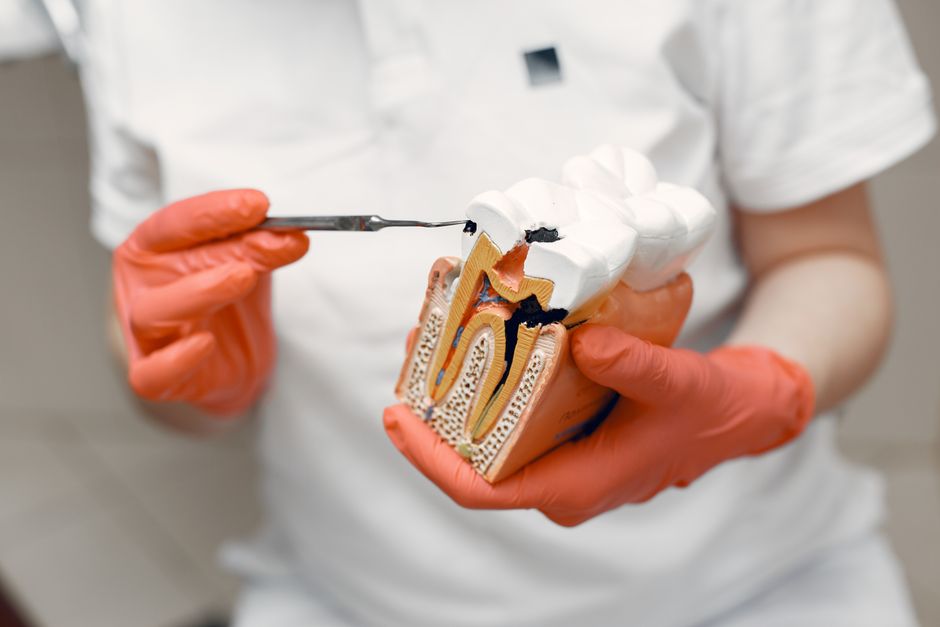
Diagnosis & Numbing
We examine your tooth and take X-rays to assess the infection. Modern anesthetics provide powerful numbing so you feel comfortable throughout the procedure.
Gentle Nerve Removal
We carefully access the inner chamber of your tooth and gently remove the inflamed or infected nerve tissue.
Disinfection & Sealing
The nerve canal is thoroughly disinfected, carefully shaped, and filled with a biocompatible sealer to prevent future infection.
Restoration
A filling or crown is placed over the tooth to protect it and restore its original strength and function.
Are root canals safe?+
Yes. Internet articles continue to circulate claiming adverse health effects from root canals, despite years of research proving otherwise. Many of these claims rest on false theories put forward decades ago without any scientific basis. The American Association of Endodontists stays abreast of all research and can support the safety of this vital service. At Dentistry of South Jersey, we are devoted to providing the safest treatments possible.
Will a root canal hurt?+
No. Modern anesthetics provide powerful numbing so you won't feel pain during the procedure. Most patients report that root canal treatment is no more uncomfortable than getting a filling. In fact, the procedure relieves the severe pain caused by the infection.
What happens if I don't get a root canal?+
If an infected or damaged nerve is left untreated, the infection can spread, potentially forming an abscess in your jaw. The pain may worsen, and you could eventually lose the tooth. A root canal saves your natural tooth and stops the infection from spreading.
Ready when you are — let's get you smiling.
New patients are always welcome. Give us a call, and we'll find a time that fits — gentle care, honest answers, no pressure.
- No-pressure, unhurried first visit
- We file your insurance for you